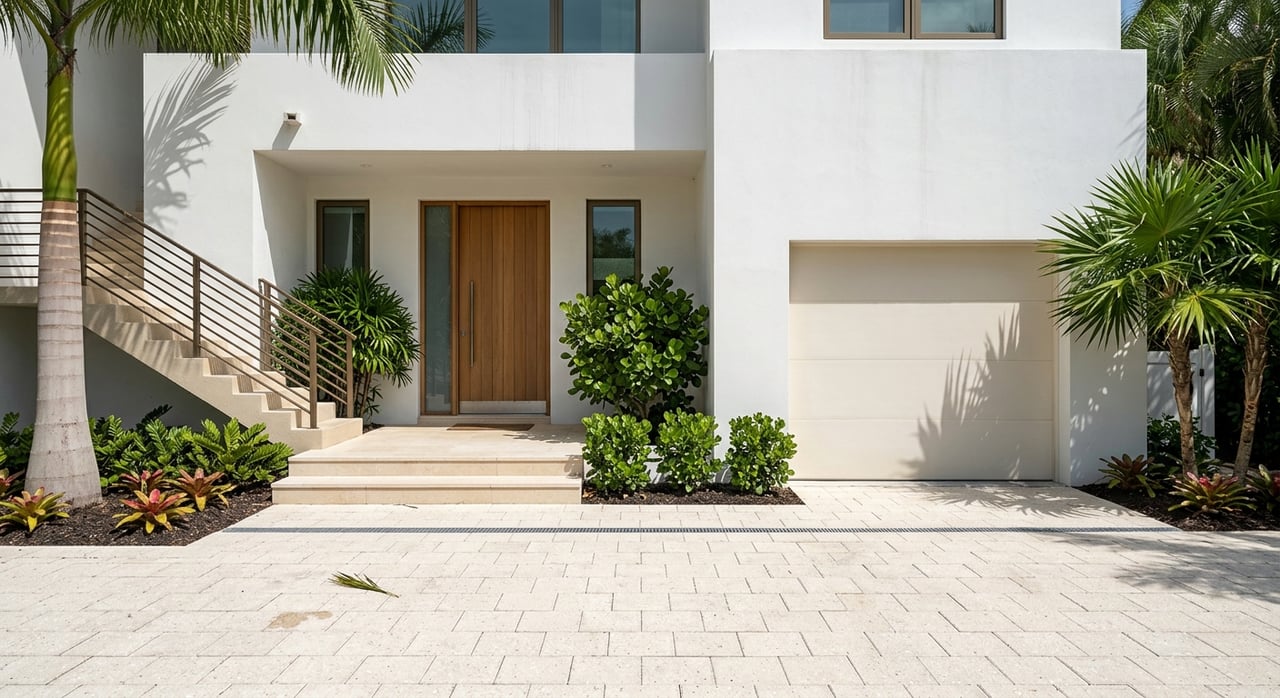
Boca Raton Flood Zones Insurance and Coastal Risk
May 21, 2026
May 21, 2026
If you are buying near the coast in Boca Raton, flood risk is one of the most important details to understand before you make an offer. It can affect your insurance costs, closing timeline, long-term budgeting, and even how you prepare for storms after you move in. The good news is that with the right research, you can evaluate a property clearly and avoid surprises. Let’s dive in.
In Boca Raton, flood risk is not just about whether a home is close to the ocean or west of Federal Highway. The city says a large portion of Boca Raton lies in FEMA Special Flood Hazard Areas, and the city adopted new Flood Insurance Rate Maps on December 20, 2024. These maps show Special Flood Hazard Areas, base flood elevations, and risk premium zones.
A Special Flood Hazard Area, or SFHA, is an area with a 1% or greater annual chance of flooding. That matters because a property inside an SFHA may face different insurance requirements than one outside it. It also means two homes in the same general area can have different flood profiles.
Palm Beach County also notes that flooding can happen from storm surge, king tides, and rainfall or drainage issues. In other words, being inland does not automatically mean a home has no flood risk. Flood exposure can be highly parcel-specific, which is why broad neighborhood assumptions can lead buyers in the wrong direction.
In Boca Raton, local materials identify common higher-risk flood zones such as AE, AH, AO, and VE. These zones are not interchangeable, and each can carry different implications for flood mapping, elevation review, and insurance pricing. The official map designation for the structure itself is what matters most.
The city also notes that flood status is only part of the story. Drainage issues, repeat claims history, and proximity to natural floodplain functions can all influence real-world risk. That is why a smart review goes beyond simply checking a map once and moving on.
For coastal properties, storm surge deserves its own review. Palm Beach County recommends checking storm surge maps, and Boca Raton notes that evacuation orders are issued for imminent storm-surge flooding, not wind alone. A home can have one FEMA flood-map designation and still face separate evacuation or surge considerations.
County surge maps show potential peak inundation for Category 1, 3, and 5 hurricanes. The county also warns that coastal areas are susceptible to storm-surge flooding and that king tides can cause sunny-day flooding. For buyers looking at ocean-adjacent or Intracoastal properties, this is an essential part of due diligence.
Flood insurance is separate from a standard homeowners policy. Florida’s flood-insurance guidance says flood risk is not typically covered by homeowners insurance, so you should not assume your regular policy handles it. If flood coverage is needed, it must be reviewed and budgeted on its own.
Timing matters too. New flood policies usually have a 30-day waiting period, so waiting until a storm is in the forecast is not a workable plan. If you are under contract, it is wise to start gathering insurance information early.
If a property is in an SFHA and your loan comes from a federally regulated or government-backed lender, flood insurance can be mandatory. Even when it is not required, Boca Raton advises residents to consider buying it. That is especially relevant in a coastal market where rainfall, tidal effects, and surge can overlap.
Buyers in Boca Raton may be able to compare National Flood Insurance Program coverage with private flood-insurance options. The Florida Office of Insurance Regulation says private policies can provide primary or excess coverage, and some carriers focus on high-value homes. For luxury and waterfront properties, that comparison can be especially important.
Coverage terms and pricing can differ by carrier and product. That means the best option is not always the same from one property to another. Looking at more than one quote can help you understand both cost and coverage fit.
FEMA’s current Risk Rating 2.0 approach uses property-specific factors. These include frequency of flooding, multiple flood types, distance to a flooding source, elevation, and the cost to rebuild. So while distance to the water matters, it is only one piece of the pricing picture.
An Elevation Certificate is no longer required to buy NFIP coverage, but it can still help with pricing or mitigation questions. If one is available for the property, it can be useful during your review. For some homes, that extra documentation adds clarity when comparing quotes.
In Boca Raton, your total storm-related housing cost is not just the flood premium. Florida consumer guidance notes that many homeowners policies include a separate hurricane deductible. Before you move forward, ask for both the annual flood premium and the hurricane deductible so you can budget accurately.
That step is easy to overlook when you are focused on price, location, and condition. But for many buyers, insurance costs can materially change the true monthly and annual cost of ownership. A clear insurance picture helps you make a more confident decision.
Boca Raton’s participation in the Community Rating System brings a 25% flood-premium discount for qualifying NFIP policies, effective starting in October 2025. That can be meaningful for long-term ownership costs. If you are planning ahead, this is one more reason to ask detailed insurance questions during your property review.
Not every policy type works the same way, and eligibility details still matter. But in a market where insurance costs are a major topic, local discounts are worth understanding early.
The best flood-risk review starts with the exact address, not the neighborhood name. FEMA says the Flood Map Service Center is the official source for flood-hazard products, including flood maps, base flood elevations, and Letters of Map Change. That gives you a reliable first look at how a property is mapped.
Next, verify the parcel with local officials. Boca Raton offers no-cost flood-zone determinations, and the city keeps elevation certificates for new or substantially improved structures in SFHAs. Palm Beach County also advises buyers to confirm official flood information before purchase.
Boca Raton staff can also visit a property to review drainage or flood problems and suggest mitigation steps. That can help separate map-based flood status from site-specific drainage concerns. For some homes, that distinction is very important.
Before you move forward on a Boca Raton purchase, ask for these details:
Florida Statute 689.302 requires a seller to provide a flood disclosure at or before contract execution. The disclosure asks whether the seller has filed flood claims or received federal assistance for flood damage. It also uses a broad definition of flooding that includes tidal overflow, rapid runoff, and sustained standing water from rainfall.
For buyers, this disclosure is not just another form to sign. It is a practical source of information about the property’s history. Reviewing it closely can help you spot follow-up questions to raise during inspections and insurance review.
Sometimes a property appears to be incorrectly mapped. In those cases, buyers can ask whether there is a FEMA Letter of Map Change or a Letter of Map Amendment, often called a LOMA. FEMA allows formal requests to amend a flood-zone designation in some situations.
Boca Raton explains that a successful amendment can remove the federal flood-insurance requirement if the lender accepts it. This is not automatic, and it takes documentation. Still, if the map status does not seem to match the site conditions, it is worth asking the question.
A strong Boca Raton home search includes more than style, layout, and location. It also includes clear questions about risk, insurability, and storm readiness. Here are some of the most useful ones to ask during your review:
In a market like Boca Raton, flood and insurance questions can shape both your offer strategy and your long-term comfort with a property. The details are often highly specific to the parcel, structure, and coverage options available at that moment. That is why local experience matters.
When you are comparing homes, condos, waterfront properties, or estate listings, it helps to work with a team that understands Boca Raton’s micro-markets and knows which questions to raise early. The goal is not to create fear. It is to give you a clear picture so you can make a smart, informed decision.
If you are evaluating a Boca Raton property and want grounded, local guidance on how flood zones, insurance costs, and coastal risk may affect your move, schedule a private consultation with Weppner Group.
Stay up to date on the latest real estate trends.





Our team is here to help you through every step of your journey, whether you’re buying or selling, and we would be honored to assist you in finding your next home or investment. We are excited about the opportunity to serve you and look forward to helping you create the future you envision.