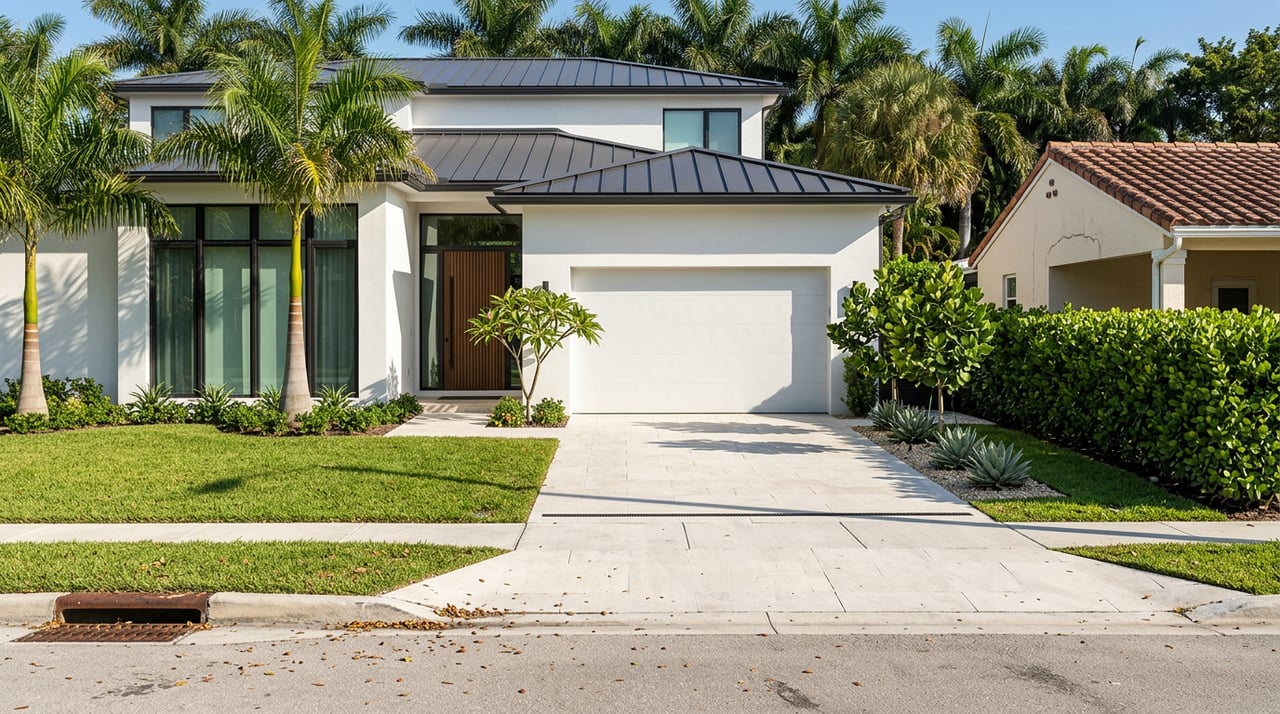
Comparing New Construction Homes vs Resales in Boca Raton
March 24, 2026
March 24, 2026
Thinking about a Boca Raton home but torn between a brand-new build and a well-kept resale? You are not alone. The right choice depends on your budget, timeline, appetite for customization, and how much you value established neighborhoods. In this guide, you will get a clear, Boca-specific look at pricing, financing, permits, warranties, HOAs and CDDs, inspections, insurance, and flood considerations, plus ready-to-use checklists to make a confident decision. Let’s dive in.
Boca Raton is a highly segmented market. Prices and competition vary widely between waterfront and inland areas, gated club communities, and planned subdivisions in West Boca. Large-scale new communities in West Boca, including GL Homes’ Lotus and Boca Bridges families of neighborhoods, continue to add options for buyers seeking amenities and modern floor plans. You can review builder-reported details for communities like Lotus Edge to understand product types and delivery timing (builder source).
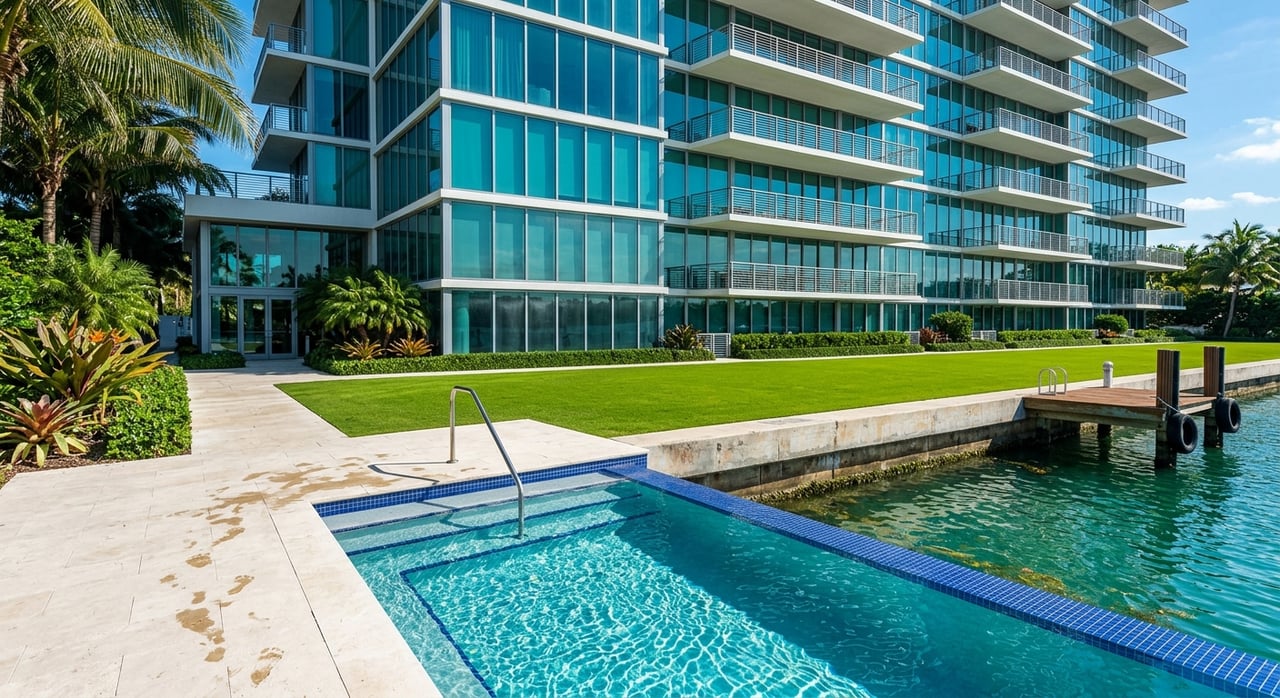
Because micro-markets behave differently, compare recent sales and neighborhood trends before deciding on new construction or resale. A waterfront new build may command a premium, while an established inland home may offer value with mature landscaping and a proven ownership history.
Considerations: New homes often carry a price premium, builder timelines can shift, and communities with robust amenities usually include higher HOA dues and, in some cases, separate CDD assessments.
Considerations: Older systems and roofs can shorten your horizon to major replacements. You will rely on inspections and permit history to gauge long-term costs.
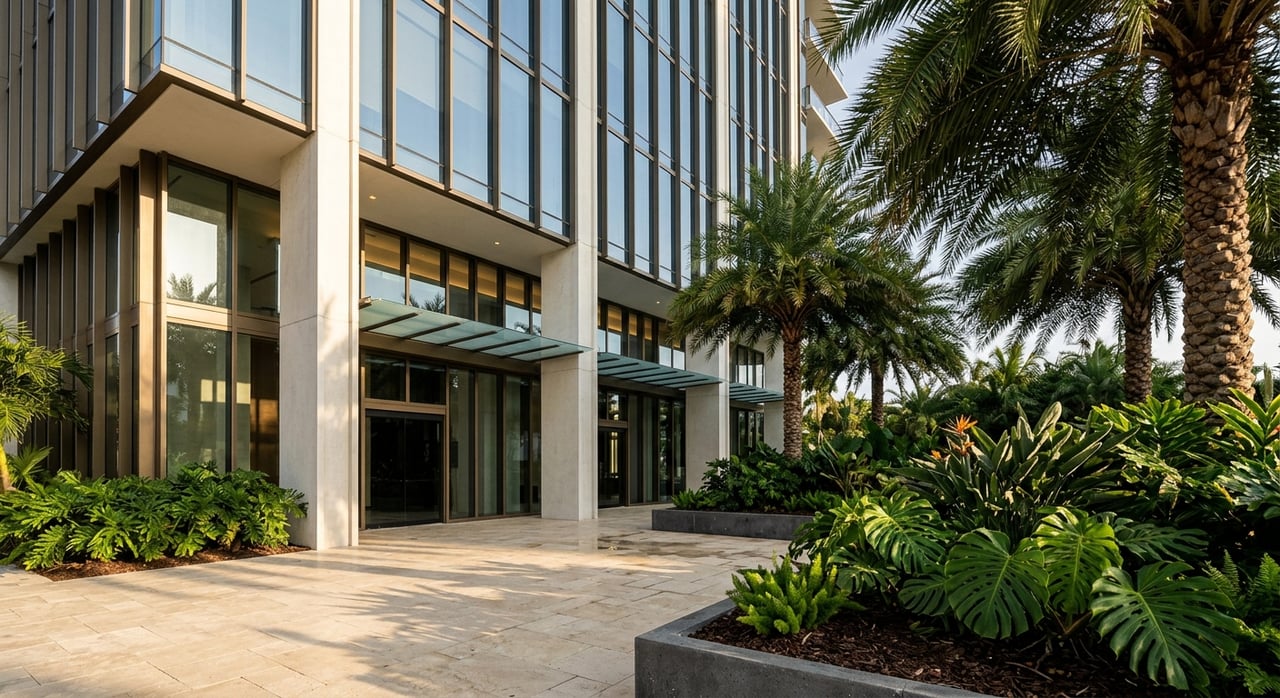
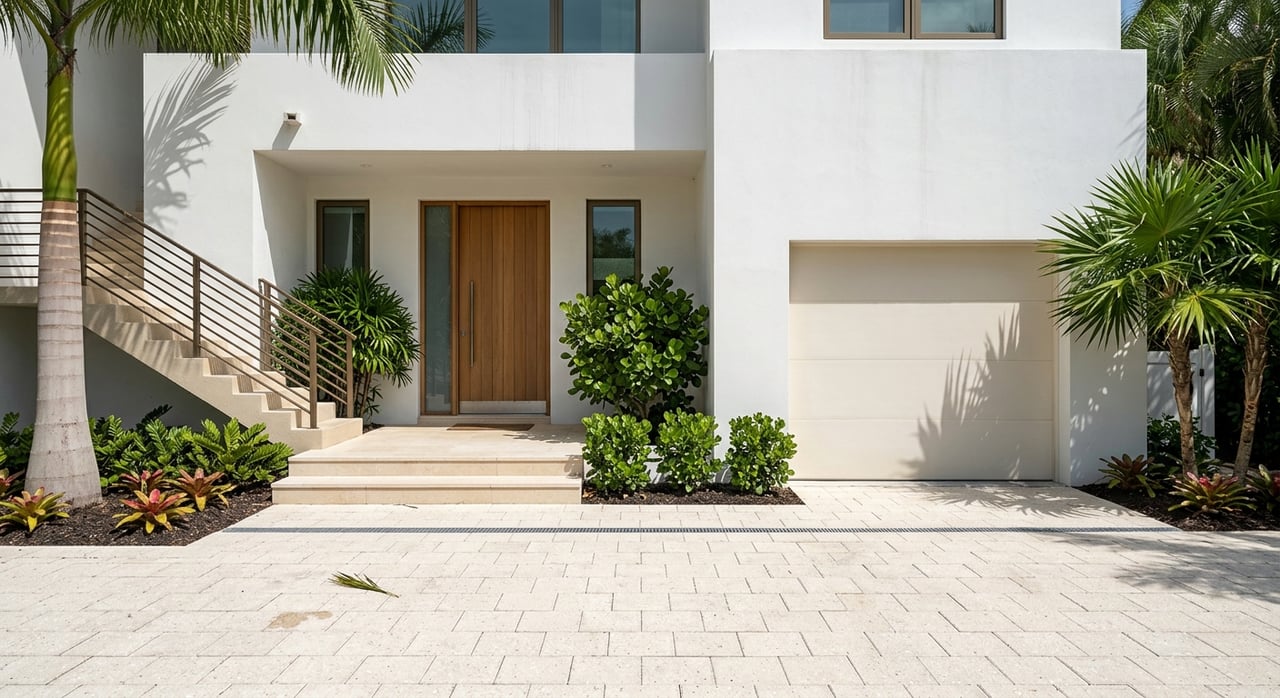
New homes commonly price higher for style, efficiency, and amenities, especially in planned communities with clubhouses or gated entries. Resale homes can trade at a discount to new construction, though prime locations and renovated properties may narrow that gap. For high-end waterfront, new construction can set top-of-market values.
Appraisals hinge on comparable sales nearby. In a fresh subdivision, closed comps may be limited, which can make appraisals more sensitive to a few recent sales and any builder incentives. Plan for appraisal conversations when you negotiate price and timing in a developing area.
Resale purchases typically use standard loan products, such as conventional, FHA, VA, or jumbo. Underwriting follows familiar processes based on property condition and comps.
For new construction, many buyers consider construction-to-permanent loans, which combine the construction period and permanent mortgage into one package. Others use construction-only loans, then refinance when the home is complete. Compare how each lender handles draw schedules, interest during construction, rate locks, and closing costs so you know your true budget (construction-loan basics). Upgrades and change orders can add complexity, so build a cushion into your numbers.
Boca Raton’s Building Division manages plan review, permits, and inspections. The city follows standard review cycles and does not offer an expedited plan review, so factor that into your schedule (City permit FAQs).
Before certain inspections, the city requires a spot survey and an elevation certificate for single-family construction. Confirm who obtains and pays for the elevation certificate, and verify the finished-floor elevation meets local flood requirements (spot survey and elevation certificate guidance).
Typical timelines for production single-family builds run about 6 to 12 months from permit or groundbreaking, depending on size and weather. Custom and luxury builds often take longer. Ask for a clear schedule with milestones and remedies for significant delays.
Many builders or third-party administrators use a “1-2-10” warranty structure. You may see 1 year for workmanship and finishes, 2 years for major distribution systems, and 10 years for qualifying structural coverage. Always read the full warranty, check if it is insurance-backed, and confirm whether it transfers to a new owner if you sell within the coverage period (what a 1-2-10 covers).
A practical tip for new builds: schedule an independent inspection around months 9 to 11 to identify punch list items that fall under the 1-year workmanship warranty. This small step often saves you from out-of-pocket costs after the coverage window closes.
For resales, order a general home inspection and a separate Wood-Destroying Organism (WDO) report on the state’s FDACS-13645 form. South Florida sees both drywood and subterranean termite activity, so make sure your WDO inspection is performed by a licensed operator and that treatment or repair terms are clear in the contract (WDO inspection guidance).
If the property is in an HOA, Florida’s Homeowners’ Association Act (Chapter 720, F.S.) sets the governance framework. Request budgets, reserve studies, recent meeting minutes, and the developer-to-homeowner transition timeline if the community is new. These documents help you evaluate the stability of dues, reserves, and any planned projects or special assessments (Florida HOA statute).
Many master-planned communities also use a Community Development District (CDD) to finance roads, stormwater systems, and other infrastructure. CDDs levy separate assessments that often appear on property tax bills. Confirm whether a lot lies inside a CDD, ask for the engineer’s report and debt schedule, and factor the annual CDD assessment into your total ownership cost (Florida CDD statute).
Boca Raton includes coastal and low-lying areas where flood risk varies street by street. Always pull the FEMA Flood Insurance Rate Map (FIRM) panel for the specific property and look for any existing Elevation Certificate. These two items help your insurance agent price flood coverage accurately and can influence design decisions for new construction (Palm Beach County FIRM example and map amendment).
New homes built to current Florida Building Code often see favorable insurance outcomes compared with older stock. If you are improving an existing home, consider Florida’s My Safe Florida Home program, which has offered inspections and grants to help fund wind-mitigation upgrades that may lower insurance premiums (program overview). Independent resilience standards, such as FORTIFIED, can also guide upgrades that reduce wind loss.
Use this list from contract to pre-closing:
From inspection to closing, cover the essentials:
Choosing between new construction and resale in Boca Raton is not one-size-fits-all. You deserve a clear picture of total cost, timeline, and long-term value before you commit. With more than 30 years of local experience across waterfront, club communities, and West Boca’s new-build neighborhoods, our family-led team brings you calm, data-informed guidance. We help you weigh builder timelines and warranties against the strengths of established homes, review HOA and CDD documents, line up inspections, and keep every date and detail on track.
When you are ready to compare options or tour communities and listings, schedule a private consultation with the Weppner Group. We are here to help you buy with confidence.
Stay up to date on the latest real estate trends.

Our team is here to help you through every step of your journey, whether you’re buying or selling, and we would be honored to assist you in finding your next home or investment. We are excited about the opportunity to serve you and look forward to helping you create the future you envision.