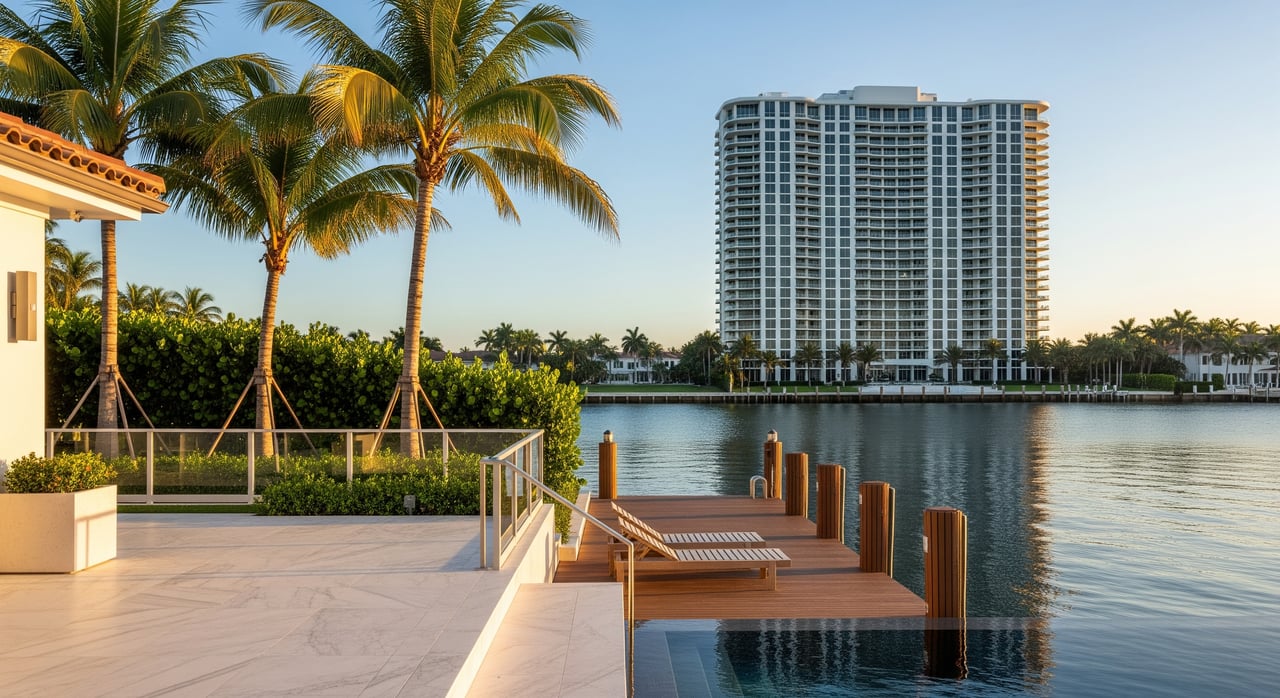
Condo vs Single Family Homes in Boca & Highland Beach
January 15, 2026
January 15, 2026
What does your ideal day on the Boca coastline look like: grabbing the elevator down to a private beach path, or stepping into your own backyard by the pool? If you are choosing between a condo in Highland Beach or a single-family home in Boca Raton, you are weighing more than price. You are balancing costs, maintenance, insurance, amenities, rules, and coastal risk. This guide breaks down the tradeoffs so you can match your lifestyle and budget with the right property type. Let’s dive in.
Highland Beach is a narrow, oceanfront town with many condo towers and a few single-family pockets. Boca Raton offers both oceanfront condos and a wider range of single-family neighborhoods inland and along the Intracoastal. Micro-markets can shift by block, building age, elevation, and lot depth, so it pays to compare specific properties, not just the property type.
Condo pricing reflects building age, floor height, views, amenities, and the association’s financial health. Single-family pricing leans on lot value, outdoor space, pool features, and, for waterfront, the condition of the seawall and dock. Property taxes are assessed by Palm Beach County plus local municipalities. If the home is your primary residence, you may qualify for a homestead exemption and the Save Our Homes cap. You can review parcel history and assessments on the Palm Beach County Property Appraiser site.
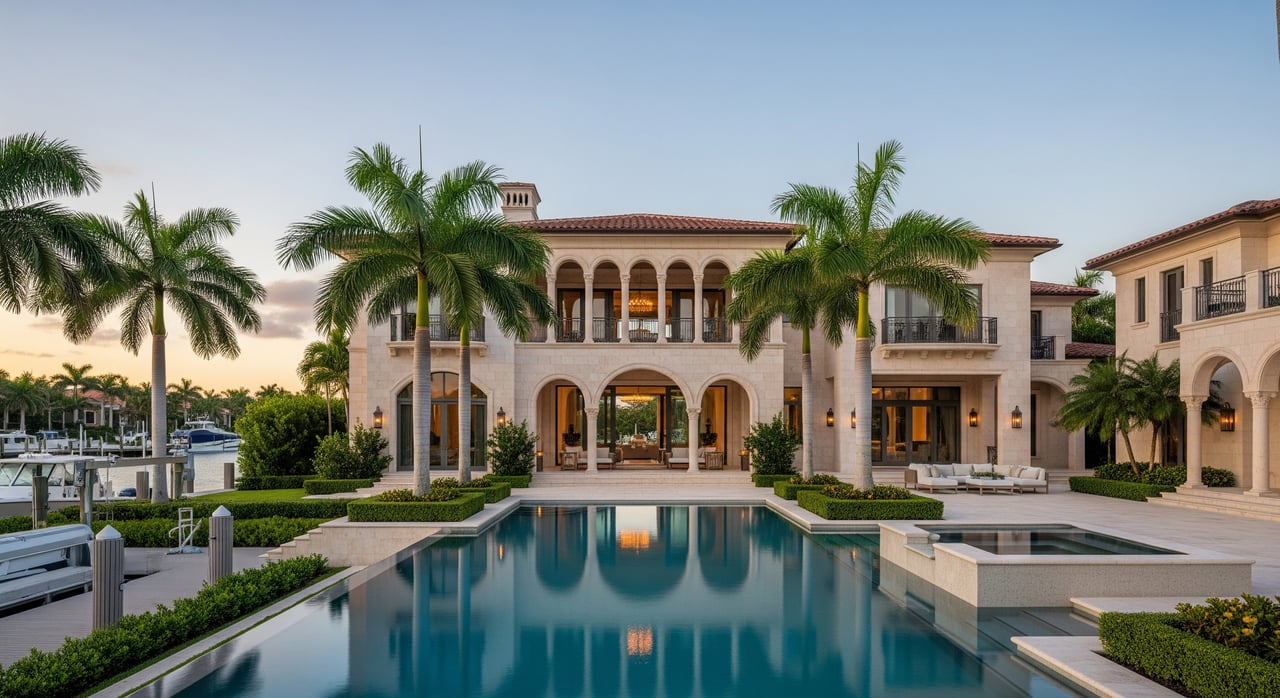
In condos, monthly HOA fees typically cover common areas, exterior insurance under the building’s master policy, landscaping, amenities, and sometimes water, waste, and cable. Fees vary by building size and service level. In single-family homes, there may be no HOA fee, or a smaller neighborhood fee that only covers shared areas. You are responsible for your roof, exterior, landscaping, pool, driveway, and any seawall or dock repairs.
Flood insurance is required by lenders if the property sits in a Special Flood Hazard Area. Many coastal addresses do. Single-family oceanfront or near-ocean homes often carry higher windstorm deductibles and premiums. Condo owners purchase an HO-6 policy for interiors and contents, while the association insures the structure and common elements. Always review the scope and deductible of the condo’s master policy since large deductibles can be shared by owners. For market context and options, consult the Florida Office of Insurance Regulation and the state-backed Citizens Property Insurance Corporation.
Condo associations fund reserves for major items like roofs, elevators, and building systems. If reserves are low, owners may face special assessments. On the single-family side, you should budget for major items over time: roof replacement, impact windows or shutters, HVAC, pool equipment, and seawall upkeep where applicable.
In a condo, the association manages the building envelope, common systems, landscaping, and amenities. You have fewer day-to-day tasks, which many part-time residents value.
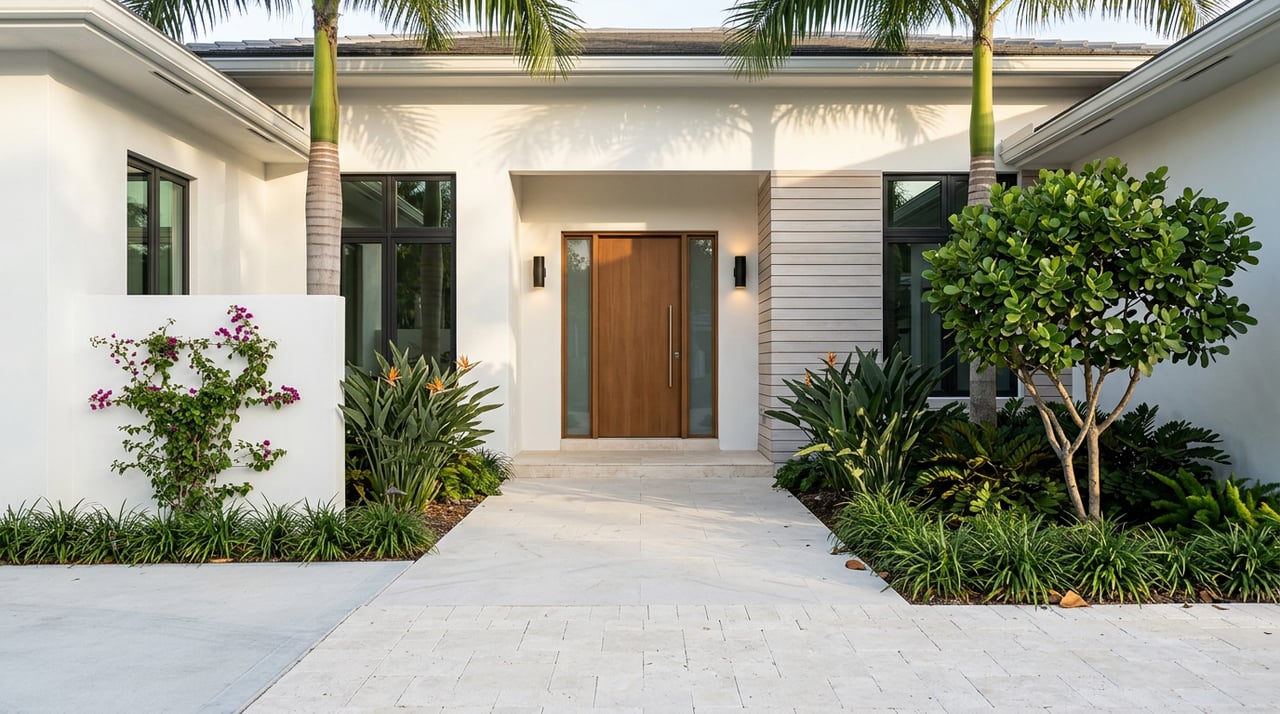
With a single-family home, you control everything and handle everything. You decide on improvements and materials, subject to zoning or any HOA architectural guidelines, and you bear the costs for upkeep and replacements.
Condos operate under a board and governing documents set by the Florida Condominium Act, Chapter 718. Single-family HOAs follow a similar framework under Chapter 720. Before you buy, review election rules, budgets, reserves, pet policies, rental limits, parking, and any litigation history. Since the 2021 Surfside tragedy, building inspection and recertification standards have tightened in the region. Ask for the building’s inspection history and any engineering reports.
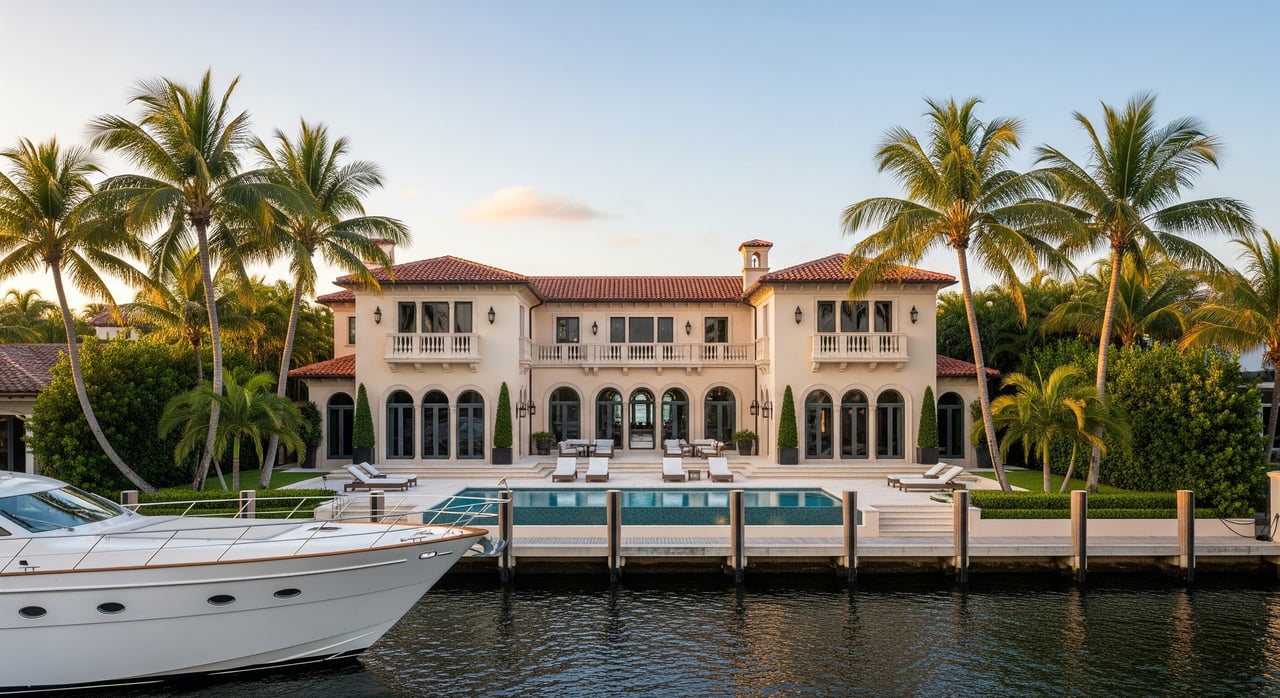
Flood risk, elevation, and seawall condition are critical on the coast. Use the FEMA Flood Map Service Center to confirm flood zones and request an elevation certificate when available. For a longer view of sea level rise exposure, check the NOAA Sea Level Rise Viewer. For waterfront single-family homes, evaluate seawall condition, permits, and repair history.
Coastal properties may be subject to evacuation orders during major storms. Many condo buildings have formal preparedness and evacuation procedures, and on-site management can coordinate access and recovery. Single-family homeowners set their own plans for shutters or impact protections, generators, and relocation timing. Power restoration and access can vary by location and severity, so build a plan that fits your situation.
In recent years, coastal premiums and underwriting standards have shifted. Private flood policies can be an alternative to NFIP, and homeowners may use the state-backed Citizens program when private coverage is not available. Speak with a local insurance professional early, and verify windstorm deductibles and coverage exclusions before you make an offer.
Lenders often apply extra scrutiny to condo projects. Investor concentration, short-term rental activity, litigation, or weak reserves can affect loan options. If you need a government-backed loan, verify whether the project is on the FHA condo approval list and review Fannie Mae’s condo project guidance.
Association rules and municipal codes can limit short-term rentals. Policies vary by building and neighborhood. Review the City of Boca Raton’s resources for local regulations on the City of Boca Raton website and check the Town of Highland Beach site for local ordinances at the Town of Highland Beach. Always confirm association rules on minimum lease terms, number of leases per year, and approval processes.
Coastal condos often see more seasonal demand, especially in winter months, and attract part-time residents and investors. Single-family homes can appeal to more year-round households and may draw broader financing. Resale strength depends on building reputation, maintenance records, and local preferences in your price band.
Choosing between a Highland Beach condo and a Boca single-family home comes down to how you want to live and what risks and responsibilities you are comfortable managing. If you want built-in amenities, lower daily upkeep, and a coastal lock-and-leave setup, a condo may fit. If you want maximum control, private outdoor space, and the ability to customize, a single-family home may be the better match. When you are ready, we will help you compare specific buildings and neighborhoods, review HOA documents, model taxes and insurance, and plan improvements with Compass Concierge or explore bridge-loan options when appropriate. Schedule a private consultation with the Weppner Group.
Stay up to date on the latest real estate trends.

Our team is here to help you through every step of your journey, whether you’re buying or selling, and we would be honored to assist you in finding your next home or investment. We are excited about the opportunity to serve you and look forward to helping you create the future you envision.