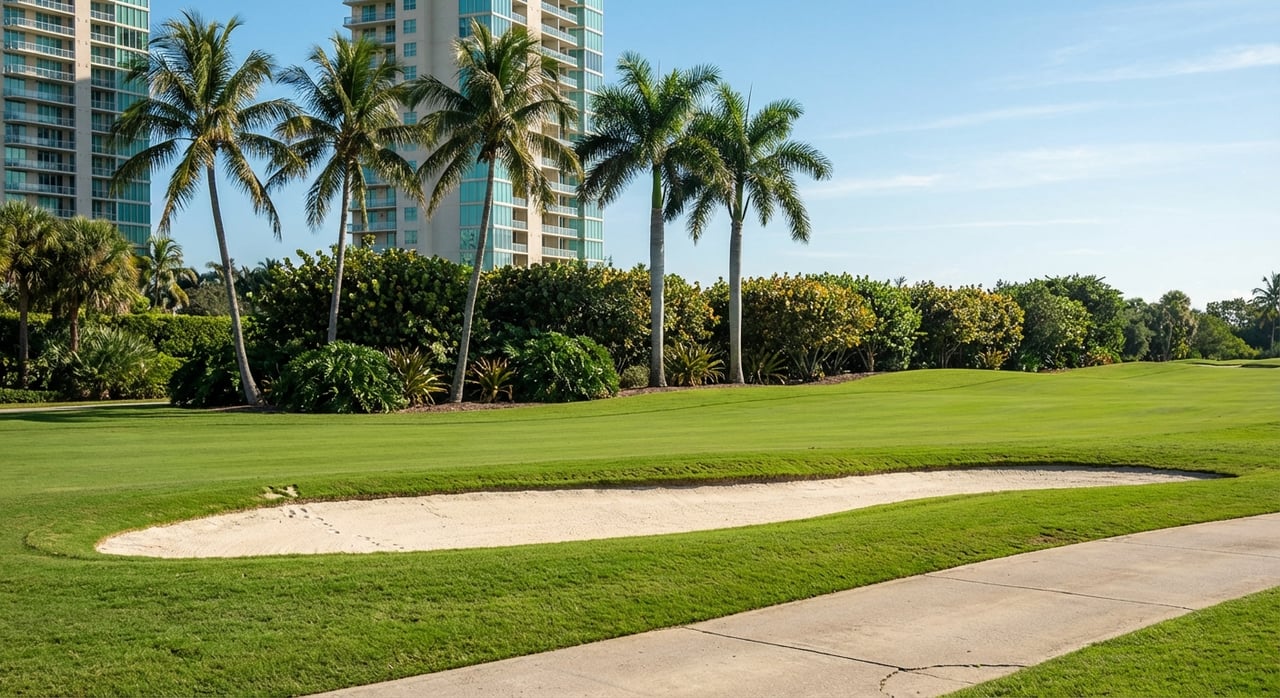
Relocating to Boca Raton from Out of State: Buyer Guide
February 19, 2026
February 19, 2026
Thinking about swapping snow for sunshine and calling Boca Raton home? You are not alone. Many out-of-state buyers are drawn to Boca’s beaches, year-round outdoor lifestyle, and shorter commutes. In this guide, you will get a clear picture of costs, timing, daily life, and a step-by-step path to buying from afar with confidence. Let’s dive in.
Boca offers a warm, coastal lifestyle with strong amenities and a calm, residential feel. Typical value metrics vary by source and product mix. Zillow’s ZHVI places a typical Boca Raton home around about $551,580, while recent median sale price snapshots often run higher because of luxury closings and inventory mix. Expect wide variation between east-of-Federal waterfront/condo areas and suburban west-side single-family neighborhoods.
The overall cost of living sits above the U.S. average, with housing as the main driver. According to the Boca Raton profile on BestPlaces, the city’s cost index trends higher than national norms, so housing and insurance should be central to your budget planning. You will also benefit from Florida’s lack of state income tax, which can offset some carrying costs depending on your situation. For a detailed cost-of-living snapshot, review the BestPlaces overview for Boca Raton.
Your best next step is to compare a few target neighborhoods side by side with a realistic insurance estimate and HOA fees where applicable. That gives you a true monthly picture beyond purchase price.
High season runs roughly November through April, with the busiest buyer traffic mid-December to March. Off-season can offer more negotiating room but also brings summer heat and humidity. If you plan a scouting trip, book well ahead in winter.
Boca’s climate is warm year-round. Winters are comfortably mild, and summers are hot with afternoon thunderstorms. The Atlantic hurricane season runs June 1 through November 30, so plan insurance and preparedness accordingly. For climate context, review the Boca Raton weather summary on WeatherSpark.
Boca Raton’s mean one-way commute time is about 21.6 minutes, shorter than many large Northeast metros. The city is mostly car-oriented, and peak-hour delays occur along I‑95 and major east-west corridors. If you prefer rail for regional trips, two options make life easier.
For commute statistics, check the city’s profile on U.S. Census QuickFacts.
Understanding Florida’s unique taxes, insurance, and condo rules can save you time and money.
Florida charges documentary stamp tax on deeds at approximately $0.70 per $100 of the purchase price in most counties, plus doc stamps on notes and an intangible tax on mortgages. These items appear on your closing statement and can be negotiated between buyer and seller in the contract. Title companies calculate final amounts. For a clear explainer, see the document stamp overview on DeedClaim.
If the home will be your permanent Florida residence, apply for the homestead exemption. This can reduce your property tax burden and caps assessed value increases under Save Our Homes. Applications are typically due by March 1 of the tax year, with specific documentation and occupancy requirements. If you already own a Florida homestead, you may be able to transfer part of your assessment difference through portability. Find filing details on the Palm Beach County Property Appraiser site.
Homeowners insurance in coastal South Florida generally runs higher than inland Florida due to hurricane and wind exposure. Market reforms have started to stabilize some pricing, but quotes still vary by property, features, and distance to the coast. Get firm quotes early and plan for separate hurricane deductibles. For a statewide market update, see Florida Realtors’ recent insurance report.
Underwriters commonly request a 4‑Point inspection and a wind-mitigation report. Documented features like impact windows, roof-to-wall connections, and secondary water barriers can reduce premiums. Some buyers use the My Safe Florida Home program for inspections and potential upgrade grants. Learn more from this My Safe Florida Home guide.
Many Boca condos have associations with varying monthly fees. Recent Florida laws require more robust reserves and structural inspections for certain buildings, which can affect budgets and future assessments. Always review association financials, rules, insurance schedules, and any past or pending special assessments during your contract review period. For background on reserve requirements and inspections, see this AP News overview.
A clear process helps you move quickly and confidently when you cannot be here every week.
Boca blends coastal recreation with strong cultural and educational anchors. You can enjoy year-round boating, beaches, golf, and tennis. Downtown dining and arts events add variety, and Florida Atlantic University brings employment, continuing education, and performances to the area. Explore FAU’s presence and programs at Florida Atlantic University.
School zoning and choice programs can affect your home search. Always verify school boundaries and options directly with the district before you rely on an address. For safety, compare neighborhood-level sources such as official police pages and crime maps rather than relying on citywide averages. You can start with comparative data tools like NeighborhoodScout’s Boca Raton overview and then confirm with official local resources.
Relocating from out of state is a big step, but you do not have to navigate Florida-specific taxes, insurance, and condo rules on your own. With deep, multi-generational Boca Raton expertise, a high-touch process, and trusted local partners, our team helps you compare neighborhoods, secure accurate insurance quotes, and close smoothly from a distance. Ready to plan your move? Schedule a private consultation with the Weppner Group.
Stay up to date on the latest real estate trends.




Our team is here to help you through every step of your journey, whether you’re buying or selling, and we would be honored to assist you in finding your next home or investment. We are excited about the opportunity to serve you and look forward to helping you create the future you envision.