
Buyer’s Guide to Boca Raton Oceanfront Condos
February 5, 2026
February 5, 2026
Imagine waking up to the Atlantic sunrise, with beach access, boating options, and downtown dining just minutes away. If you are weighing an oceanfront move in Boca Raton, you want clarity on lifestyle, property types, and total cost of ownership. This overview gives you a practical, no-nonsense look at how oceanfront living actually works here, plus what to check before you buy. Let’s dive in.
Boca Raton’s shoreline sits on a barrier island, with the Atlantic Ocean on one side and the Intracoastal Waterway on the other. State Road A1A (Ocean Boulevard) is the main corridor. Most buyers consider three settings: direct oceanfront, Intracoastal corridor, and near-beach on the mainland.
You face the Atlantic across dunes and beach, often with sweeping views and on-site beach access. Daily life centers on sand, surf, and sunrise. Luxury high-rises here tend to offer doorman or concierge service, fitness centers, pools, and secure parking. Expect higher HOA dues in full-service buildings and higher insurance costs due to ocean exposure.
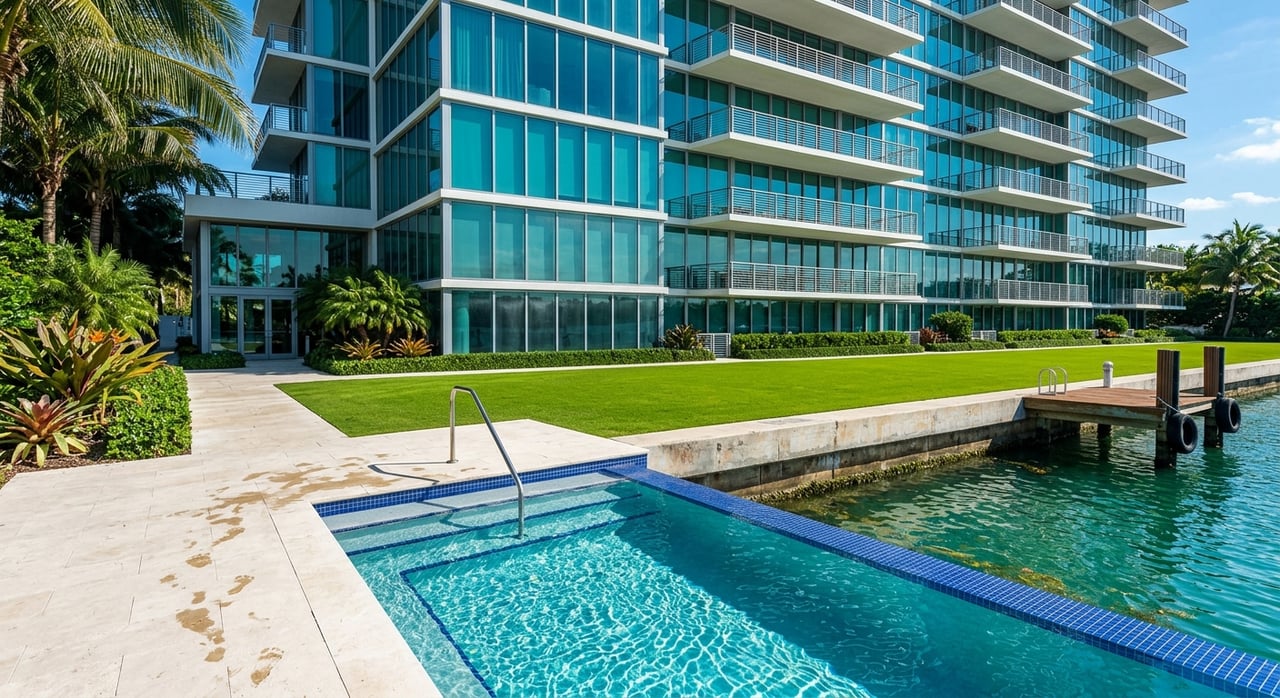
These properties sit along the Intracoastal Waterway on the barrier island. If you boat, this setting offers quick ocean access via nearby inlets and marinas. Views are of wide water and passing boats, with calmer water conditions than the ocean side. Buildings range from full-service towers to smaller condos with modest amenities.
These homes and condos are a short walk or quick drive to the beach. Prices are often lower than direct oceanfront, and you still get easy beach days without barrier-island premiums. You trade direct water views for convenience and broader neighborhood options. Parking and beach access can be busier in peak season.
Boca Raton has multiple public beach parks and access points along the shoreline. Some buildings offer private or controlled beach access for residents. You can swim, surf at select spots, snorkel around nearby reef areas, paddleboard, or kayak. Boaters enjoy the Intracoastal and fast access to open water.
Oceanfront and Intracoastal condos often provide pools, fitness centers, resident lounges, covered parking, and on-site management. Luxury addresses may add 24/7 concierge, valet, security, and regular grounds and beach maintenance. Smaller or older buildings may have fewer services but lower HOA fees. Think about which amenities you will use and what you want to spend each month.
You are a short drive from central Boca Raton, including dining and cultural life around Mizner Park. Seasonal traffic can increase on A1A and near beach parks. Street and public parking may be tight during peak months, especially on sunny weekends.
Peak season runs roughly November through April, when seasonal residents return and social calendars fill. Off-season is quieter and overlaps with hurricane season from June through November. Locals plan for storm readiness, building maintenance, and occasional king-tide flooding during higher tide cycles.
Most oceanfront properties require a mix of coverage: a condo master policy for the structure, flood insurance, and separate wind or hurricane coverage. Premiums and deductibles are often higher along the shoreline, and Florida’s coastal insurance market has been volatile. Plan early with a local insurance broker who understands flood and wind packages.
Condo fees cover building insurance, reserves, staff, and common-area upkeep. Full-service buildings with amenities like concierge and valet usually cost more each month. Ask about reserve levels and any pending or recent special assessments for major projects like roofs, elevators, or building envelope work. Also review the scope of the master policy, which may be “bare walls” or “all-in,” so you know what your personal policy must cover.
Florida has strengthened building codes after past hurricanes. Newer buildings often include impact-rated windows and doors and stronger wind requirements. In older buildings, look for impact glass or shutters, roof-to-wall tie-downs, updated roofs, and modernized mechanical systems. These features improve safety, comfort, and insurability.
State and county agencies oversee beach nourishment, wave protection, and shoreline permitting. Setback rules and the Coastal Construction Control Line can limit new construction or major renovations near the beach. Remember that the beach seaward of the mean high water line is publicly accessible, which can influence privacy at some sites.
Short-term rentals are building-specific. Many luxury condos restrict short-term stays. If you plan to rent seasonally, confirm minimum lease terms, frequency limits, and any waiting periods before you buy.
Condos must meet project eligibility for many loan programs. Buildings with high rental ratios, litigation, or low reserves may face lending restrictions. Lenders will review the master insurance, reserves, and association financials. Single-family oceanfront or Intracoastal homes bring different insurance considerations, including separate wind and flood policies.
If you want the fullest social scene and event calendar, shop during peak season when inventory and visiting owners are active. Expect more competition and tighter parking. Off-season can be calmer and may allow more time for due diligence, but plan for hurricane preparedness and potential travel disruptions during storms.
Oceanfront living in Boca Raton offers a rare blend of beach lifestyle, boating access, and proximity to top dining and culture. The right property comes down to corridor, amenities, resilience, and total cost of ownership. If you want discreet, high-touch guidance backed by decades of local experience and premium Compass tools, we are here to help. Schedule a private consultation with the Weppner Group to plan your oceanfront move with confidence.
Stay up to date on the latest real estate trends.

Our team is here to help you through every step of your journey, whether you’re buying or selling, and we would be honored to assist you in finding your next home or investment. We are excited about the opportunity to serve you and look forward to helping you create the future you envision.